2026 Proof Set Tops 370,000 Sales: 10 Coins, $107, and One of the Last 2026 Cents
The 10-coin 2026 Semiquincentennial Proof Set has sold 77% of its 480,000 limit in two weeks. What's inside, why it costs $107, and why the cent matters.
Written by Admin User
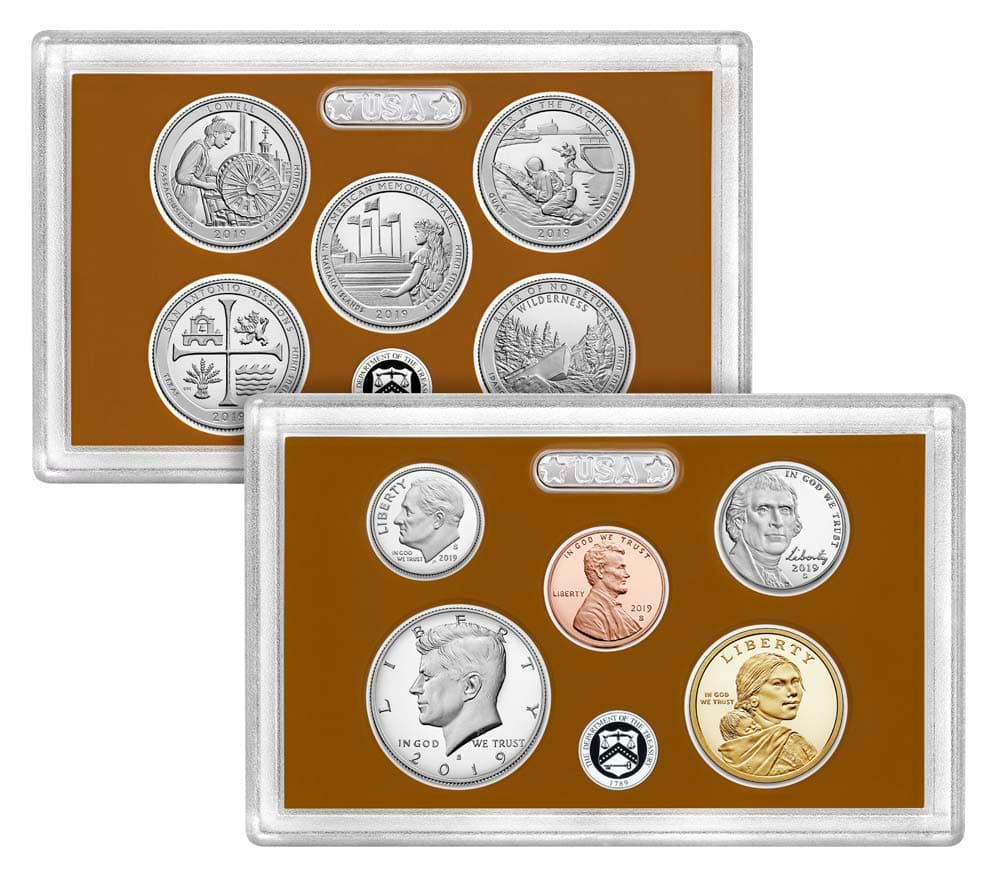
The U.S. Mint's 2026 Semiquincentennial Proof Set is on track to be one of the year's biggest sellers. As of the Mint's latest weekly report (sales through October 18), buyers had taken 370,794 sets, about 77% of the 480,000-set product limit, just two weeks after it went on sale. Here's what's in the box, why the Lincoln cent is driving so much interest, and what the numbers say.
Ten coins, nine of them dual-dated
The set went on sale October 6 at noon ET for $107. All ten coins are proofs struck at the San Francisco Mint with the "S" mintmark, and every coin except the Native American dollar carries the dual date "1776 ~ 2026":
- Lincoln cent: Victor David Brenner's portrait with the Union Shield reverse. It is one of the last 2026 cents the Mint will sell.
- Jefferson nickel
- Emerging Liberty dime: a new design by Esao Andrews, putting Liberty on the dime for the first time since 1945. The eagle reverse is by Eric David Custer.
- Five commemorative quarters:
- Mayflower Compact
- Revolutionary War
- Declaration of Independence
- U.S. Constitution
- Gettysburg Address, the last of the five, which entered circulation this week
- Enduring Liberty half dollar: the Statue of Liberty by Donna Weaver, replacing Kennedy for the first time since 1963.
- Native American $1: shows Polly Cooper of the Oneida Nation bringing corn to George Washington's army at Valley Forge.
The coins come in two lenses, one holding the five quarters and the other the remaining five coins, with a certificate of authenticity. There's no household order limit and no mintage limit, only the 480,000-set product limit.
Why it costs $107 now
Last year's standard proof set opened at $40.25, so this year's price is up about 166%. The jump wasn't specific to this set. In January 2026, the Mint repriced its whole clad collector line: the uncirculated Mint Set went from $33.25 to $124.50, and the American Innovation reverse proof set from $32.25 to $60. The new prices were published in the Federal Register without an explanation, and the Mint hasn't detailed cost factors for its clad products. For context, the standard proof set cost $32 in 2022 and $35 in 2023 and 2024.
The cent is the story
The Treasury ordered an end to penny production for circulation in 2025, citing a cost of about 3.69 cents to make each one. The last circulating cents left the Mint that summer, and a ceremonial final strike took place in Philadelphia on November 12, 2025.
That leaves only three 2026 Mint products that include a Lincoln cent, and CoinNews listed the other two as unavailable from the Mint as of early October:
- 2026 Silver Proof Set ($245): debuted in June at 261,516 sets against a limit raised to 271,250, and is now unavailable. CoinNews tracked eBay sales averaging about $326, a premium of roughly 33%. Single proof cents pulled from sets averaged around $128.
- 2026 Mint Set ($124.50): the only source of uncirculated P and D cents. It went unavailable about a day after its June 30 launch, briefly returned in August, and has since sold nearly its full 300,000-set limit. CoinNews reported eBay sets averaging about $186, with single cents bringing $80 to $87.
CoinNews attributes much of those premiums to the 1776–2026 cents. That's why collectors are treating the clad proof set as the most affordable remaining way to get a 2026 proof cent straight from the Mint.
Reading the sales numbers
The sales path has been unusual:
- Before launch: 240,259 sets were ordered through the Mint's subscription program.
- First full week: the total jumped to 379,278 through October 12, the Mint's top seller that week.
- Second report: the total was revised down by 8,484 to 370,794. CoinNews called it a sharp downward revision but didn't give a cause. The 2025 set saw a similar unexplained drop a few weeks after launch.
Even after the revision, this set is far ahead of recent years. Opening-week sales were 211,757 for the 2025 set, 198,409 for 2024, and 219,181 for 2023. The 2026 set has already passed the final totals of the 2025 set (304,807) and 2024 set (355,786), and it is closing in on 2023's 369,236. As of the latest report, it had not sold out.
The same week, the 2026 American Innovation $1 Reverse Proof Set ($60, four coins with a Liberty Bell privy mark) debuted at 49,365 sets, the best opening since that product line began in 2021.
Is it worth more than $107?
It's too early to say. We found no published sold-price data for the clad proof set yet. ANA writer Joshua McMorrow-Hernandez expects it to be one of the year's most popular Mint products. Numismatic News columnist Richard Giedroyc cautions that some buyers are treating 250th-anniversary issues as quick flips, and notes that the 1876 and 1976 anniversary issues didn't hold up well afterward. Graded examples are already appearing in NGC holders with special "America 250" labels, but grading fees add up quickly on a $107 set.
What this means at a coin show
If the remaining ~109,000 sets sell through, coin shows are where you'll be able to compare prices in person. Before you buy, check the asking price against the $107 issue price, look for the original Mint packaging and certificate, and compare a full set against the going rate for the cent alone. Find a coin show near you to see what dealers in your area are asking.