Gem 1911-D $10 Indian From a CIA Employee's Estate Could Top $500,000
An uncertified 1911-D $10 Indian found in a safe-deposit box graded PCGS MS-65 CAC. GreatCollections sells it unreserved, closing Jan. 10, 2027.
Written by Admin User
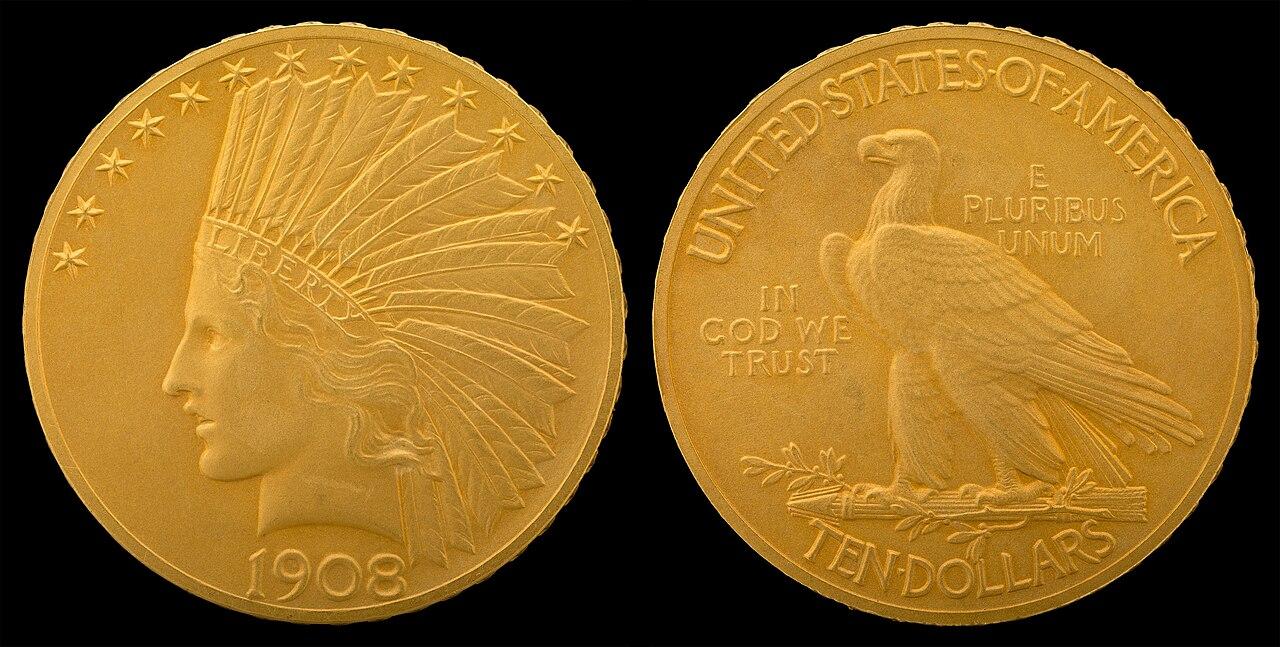
A 1911-D $10 Indian gold eagle that spent decades in a paper envelope in a safe-deposit box is now one of the most important gold coins on the auction calendar. GreatCollections is offering the coin, graded PCGS MS-65 with a green CAC sticker, with no reserve. The auction house told CoinWeek it expects the coin to bring more than $500,000 when bidding closes on Sunday, January 10, 2027.
A gem hiding in a box of common gold
According to GreatCollections president Ian Russell, the 1911-D turned up among about three dozen common, low-grade pre-1933 gold coins that a family inherited. The relative who owned them worked for the CIA in the 1950s. The family has not said who that person was, what they did, or when the coin was bought, and Russell was careful on that point. He told CoinWeek the only documented link is to a former CIA employee who owned U.S. gold coins. Nothing ties the coin itself to intelligence work.
The coin had never been certified. That changed earlier this year, when PCGS graded it MS-65 (certification number 58941036) and CAC approved it. GreatCollections lists it as the second-finest CAC-approved example of the date.
As of November 14, the listing showed a current bid of $102,500 after 17 bids, with the close set for 6:30 p.m. Pacific on January 10. GreatCollections charges its standard 12.5% buyer's fee, or 10% for buyers who pay by check, eCheck, or wire.

Why the 1911-D is the series' condition rarity
The Denver Mint struck just 30,100 eagles in 1911, the lowest mintage of any regular-issue Indian Head eagle, according to the GreatCollections listing. Few of them survived in high grade. CoinWeek, citing estimates from PCGS CoinFacts, puts the total at about 1,650 pieces in all grades, about 275 in Mint State, and only about five at MS-65 or better.
Dealer and author Jeff Garrett calls the date the undisputed condition rarity of the series. In his Encyclopedia of United States Gold, as excerpted on the listing, he noted that in 2021 only three coins had been graded MS-65, all by PCGS, with none that high at NGC or ANACS. Gold specialist Doug Winter went further in February, calling the 1911-D "arguably the single rarest 20th century gold coin in Gem."
Garrett adds that the date is hard to find in any grade, though most survivors are sharply struck and show plenty of luster. He describes the combination of a low mintage and a poor survival rate as leaving collectors very few to choose from. In MS-64, the grade just below this coin, he counted 24 graded across the services.

The price history behind the $500,000 estimate
Gem 1911-D eagles come to market so rarely that each sale marks a step in the price history. Here are the benchmarks reported by CoinWeek and GreatCollections:
| Sale | Grade | Price |
|---|---|---|
| Norweb Collection, March 1988 | Not stated | $132,000 |
| 1996 | MS-64 | $74,250 |
| January 2004 | PCGS MS-64 | $66,125 |
| Heritage, Kutasi Collection, January 2007 | PCGS MS-65 | $195,500 |
| Stack's Bowers, James A. Stack, Sr. Collection, February 3, 2026 | PCGS MS-66 CAC | $1,800,000 |
The Kutasi coin was the last PCGS MS-65 to sell at public auction, so the new discovery is the first PCGS MS-65 offered at public auction since 2007. The 2007 price stood as the record for the date until February 2026, when the Stack coin, the single finest certified example, sold at Stack's Bowers. CoinWeek reported the $1.8 million result as a new auction record for any circulation-strike Indian $10. According to Winter, who covered the sale on his blog, bidding opened at $700,000 and came down to two phone bidders. The underbidder dropped out at $1.5 million, and the final price included the 20% buyer's premium.
That result came in a session that, by CoinWeek's tally, brought more than $13 million. The December 2025 and February 2026 Stack offerings together topped $28 million.
What collectors should know about the coin
GreatCollections lists the standard specifications for the date: 90% gold and 10% copper, 16.718 grams, 27 mm, and 0.48375 troy ounces of gold. Indian eagles have no reeding. The edge carries raised stars instead, 46 of them on the 1911 coins, one for each state then in the Union. Augustus Saint-Gaudens designed the coin as part of the 1907 redesign of U.S. gold coinage.
The listing also notes that specialists separate strong and weak D mintmarks on this date. It advises buyers to check the edge stars as carefully as the fields, because they bruise easily in handling.

The story is also a reminder about inherited gold. This 1911-D sat with a group of ordinary coins, uncertified, for decades. Pre-1933 gold that has never been examined can be worth far more than its melt value, depending on its date, mint, and condition.
Where to see Indian eagles at a coin show
You can't handle a gem 1911-D at your local show, but you can study Indian Head eagles in person at the big winter and spring shows coming up.
- FUN Winter 2027: January 7–10, 2027, in Orlando, Florida. The show ends the same weekend the GreatCollections lot closes.
- Long Beach Expo, Spring 2027: March 10–12, 2027, in Long Beach, California.
- California coin shows: the full list of upcoming shows across the state.
If you've inherited old gold, bring it to a reputable dealer at a show for a second opinion before you sell it for melt.