Common Cents Act Signed: Circulating Pennies End, Collector Cents Stay
The Common Cents Act, signed Nov. 20, ends circulating cents, keeps collector cents, allows cash rounding to 5 cents, and opens the door to a cheaper nickel.
Written by Admin User
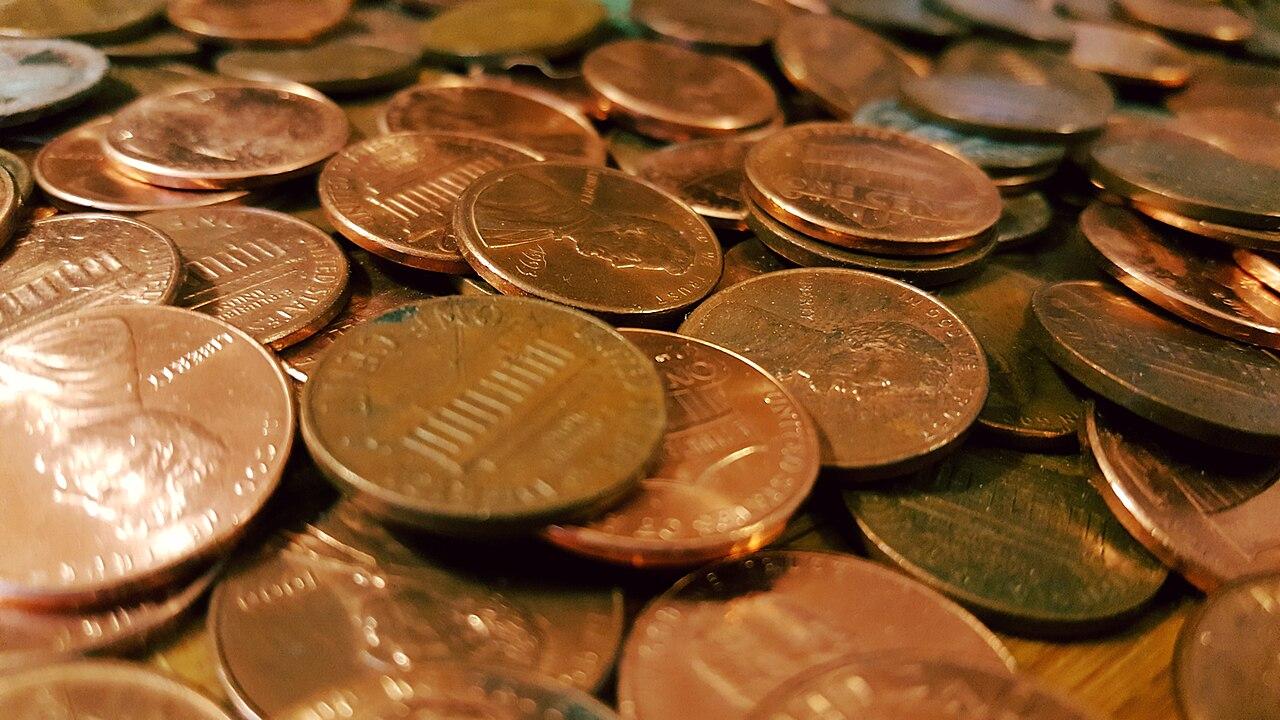
The circulating Lincoln cent is now finished by law, not just in practice. President Trump signed the Common Cents Act (H.R. 10167) on Friday, Nov. 20, a year after the U.S. Mint struck its last cent for circulation. The law also sets out how cash purchases can be rounded, opens the door to a cheaper nickel, and keeps cents available to collectors.
What the law does
According to the enrolled bill text, the Treasury Secretary "shall cease production of one-cent coins for general circulation," but the Mint may keep striking cents for sale as numismatic items. Every cent minted and issued before the law took effect stays legal tender for all debts, taxes, and dues.
The law also strikes the 3.11-gram weight requirement for the cent. It keeps the rule that the coin be made of copper and zinc but sets no new weight. CoinNews notes that no spec change for future collector cents has been announced.
The bill passed the House by voice vote on Sept. 14 and the Senate by unanimous consent on Sept. 28, according to a release from Sen. Cynthia Lummis (R-Wyo.). Rep. Lisa McClain (R-Mich.) led the House bill with Rep. Robert Garcia (D-Calif.) as an original cosponsor. In the Senate, Lummis introduced a companion bill in April 2025 with Sen. Kirsten Gillibrand (D-N.Y.), and her release also credits Sens. James Lankford (R-Okla.) and Ron Wyden (D-Ore.) as partners. Lummis traced the effort back to the late Sen. Mike Enzi's COINS Act. "Today, we have modernized our coinage for the future by eliminating the penny," she said.
Rounding is allowed, not required
Section 3 lets a business round a cash total to the nearest five cents when it can't give exact change. Totals ending in 1, 2, 6, or 7 cents round down. Totals ending in 3, 4, 8, or 9 round up. A total of one or two cents may round up to a nickel. Rounding can apply to the full bill, including tax, or just to the change due.
A business can always round in the customer's favor, whether or not exact change is on hand. An employer that rounds a cash wage payment must round up. Card, check, electronic transfer, gift card, and money order payments stay exact to the cent. The bill also says nothing in it requires anyone to round. Section 4 shields businesses that follow the rounding rules from conflicting federal, state, and tribal rules, but not from minimum-wage, overtime, or paid-leave laws.
The Federal Reserve Board has 90 days to publish a plan for handling penny orders and deposits at commercial coin terminals, with follow-up reports 6, 18, and 30 months after that. Treasury must also assess how penny shortages and check-cashing rounding affect low-income, older, and unbanked consumers.
Why the cent ended
The cent has cost more than face value to make since 2006, CoinNews reports. Citing the Mint's annual reports, it lists these unit costs:
| Fiscal year | Cent cost | Nickel cost |
|---|---|---|
| FY2022 | 2.72¢ | 10.41¢ |
| FY2023 | 3.07¢ | 11.54¢ |
| FY2024 | 3.69¢ | 13.78¢ |
| FY2025 | 3.02¢ | 13.31¢ |
The Mint lost $95.6 million on cents in FY2025, up from $85.3 million the year before. Both Treasury and the Lummis release cite a projected $56 million a year in savings. Estimates of how many cents are still out there differ: Treasury's FAQ says about 114 billion exist, while the Mint cited about 300 billion in public hands at last year's final-strike event.


That final strike came on Nov. 12, 2025, at the Philadelphia Mint. U.S. Treasurer Brandon Beach started the press and Acting Mint Director Kristie McNally spoke. Stack's Bowers sold the last cents for the Mint on Dec. 11, 2025: 232 three-coin sets with an Omega privy mark, each holding a Philadelphia cent, a Denver cent, and a 24-karat gold cent. Preliminary results totaled $16,764,500. The top set, which included the canceled dies, brought $800,000.
What it means for collectors
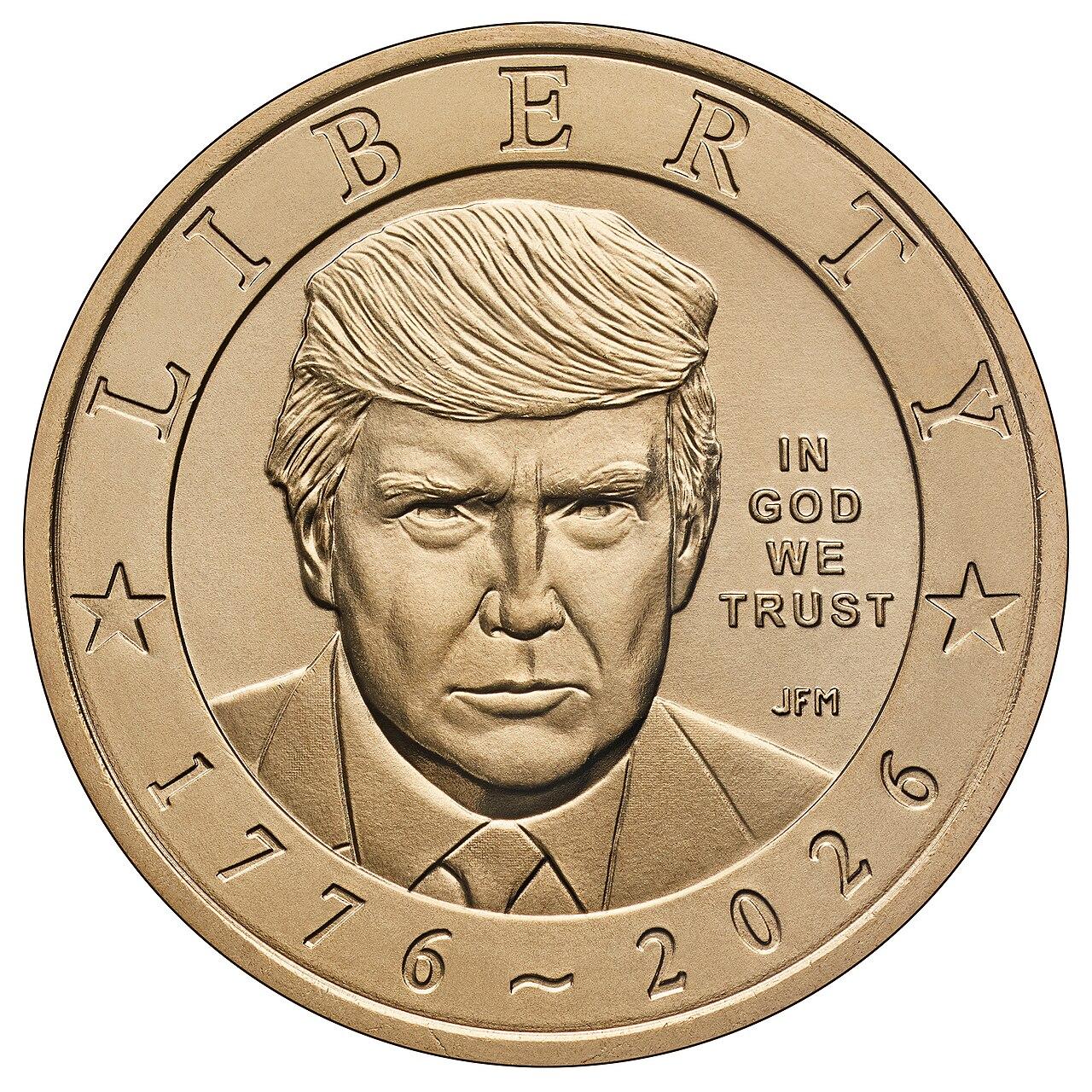
For now, collector cents come only in sets. Each 2026 set carries a dual-dated 1776~2026 Lincoln cent for the nation's 250th anniversary:
- 2026 Proof Set: Released Oct. 6 at $107, with a 480,000-set limit and a 2026-S cent. CoinNews says it is the only one of the three still sold by the Mint.
- 2026 Silver Proof Set: Released June 11 at $245. It is currently unavailable as sales near the product limit.
- 2026 Mint Set: Released June 30 at $124.50, with a 300,000-set limit. It is the only source of uncirculated 2026 Philadelphia and Denver cents, and it is also unavailable for now.
In June, CoinNews reported proof cents from the silver set selling for as much as $140. Those were proof coins, not Mint Set cents.

The nickel is next in line for change
The nickel cost 13.31 cents to make in FY2025, so the law gives Treasury room to cut it. A five-cent coin may now have a zinc core with an outer nickel layer, weighing 4 to 6 grams. The Secretary can set the mix only after testing shows it lowers cost with as little harm as practicable to coin-accepting machines. No new nickel has been announced.
The law also creates a process for ending any other circulating coin. Treasury must notify the House Financial Services and Senate Banking committees at least 60 days ahead, with its reasons and a phase-out plan, and brief them within 30 days of the notice.
Where to find cents at a coin show
The end of the circulating cent is a good excuse to go through Lincoln cents at a show: 2025 issues, 2026 set coins, and older dates. The New Hampshire Coin and Currency Expo opens Dec. 3 in Manchester, and the Santa Clara Coin Show returns Dec. 18. In January, FUN Winter 2027 opens Jan. 7 at the Orange County Convention Center in Orlando, with free admission. To find a show closer to home, search coin shows near you.